
Elastomeric Exterior Painting
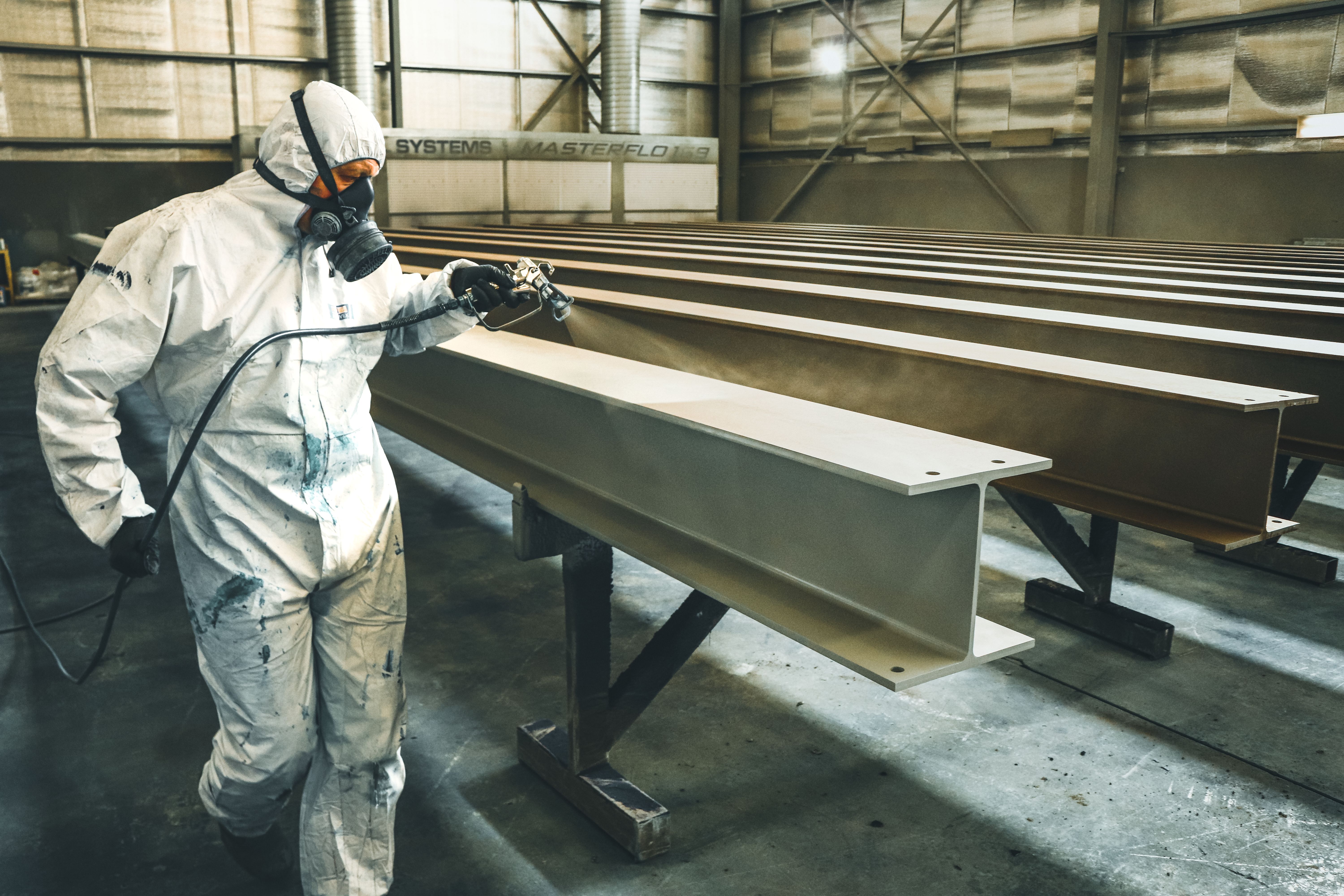
Salt air is relentless on South Florida coastal homes, silently eating stucco, rusting rebar, and driving moisture through walls. Elastomeric exterior painting & waterproofing creates a flexible, breathable rubber-like membrane that seals those surfaces against wind-driven rain and salt spray. Here's how to spec, price, and schedule it correctly for a Florida building code-compliant, wind mitigation-friendly exterior.
Why Salt Air Punishes Coastal South Florida Homes
If you live east of I-95 from Hallandale to Palm Beach, or anywhere near the Intracoastal, your exterior walls live in a salt bath. Airborne chloride settles on stucco and block, then combines with our afternoon thunderstorms to pull moisture into the wall assembly. The result shows up as hairline cracking, chalky white efflorescence, rust weeping from rebar, and paint that peels in sheets after three or four seasons.
Standard acrylic house paint sits on the surface. It can't bridge a crack that opens and closes with South Florida's thermal swings. That's the gap elastomeric coatings are designed to fill.
What Elastomeric Coating Actually Does
Elastomeric exterior paint is a high-build acrylic or acrylic-blend coating that cures into a flexible membrane — typically 300% to 500% elongation, meaning it can stretch over a crack without tearing. Applied at 8 to 12 mils dry film thickness, it does three jobs at once:
- Waterproofing: a monolithic, seamless barrier against wind-driven rain and salt-laden humidity.
- Crack bridging: locks down hairline and minor non-structural cracks up to about 1/16 inch.
- Breathability: lets interior vapor escape so you don't trap moisture and blister the film from behind.
That last point matters. A truly vapor-tight exterior on a CBS home in our climate invites mold inside the wall cavity. Good elastomerics are water-resistant on the outside while remaining permeable.
Not Every Wall Should Get It
Elastomeric is the right call on concrete block, stucco, and masonry — the dominant wall types in Broward, Miami-Dade, and coastal Palm Beach County. It is not the right product over hardboard siding, most vinyl, or previously painted wood, where the film can trap moisture and cause rot. It also won't fix structural movement: if a crack is wider than a credit card or keeps reopening, you have a substrate problem that paint can't solve.
The Prep That Determines Whether It Lasts
Ninety percent of elastomeric failures in South Florida trace back to skipped prep. A legitimate job includes:
- Pressure washing at 2,500–3,000 psi to remove salt, chalk, and mildew.
- Treating organic growth with a sodium hypochlorite wash, then rinsing.
- Patching and filling cracks with an elastomeric patching compound, not caulk alone.
- Spot-priming bare stucco and rust stains with a stain-blocking primer.
- Masking windows, doors, and landscape, then applying two coats to reach the specified mil thickness.
Coating thickness is measured, not guessed. Ask your contractor to show you a wet-film gauge reading — it's the single best insurance against a job that fails in year three.
Cost and Timeline in South Florida
Expect roughly $2.75 to $4.50 per square foot of wall area for a full elastomeric application, depending on access, height, and how much crack repair is needed. A typical 2,000-square-foot single-story coastal home runs about $6,000 to $11,000. Two-story and oceanfront properties with scaffolding or lift access push toward the higher end.
Timing: most exterior repaints take 5 to 8 working days, but our rainy season (June through September) can stretch that considerably. The coating needs a dry window to cure, and humidity above 85% slows the process. Late fall through spring is the sweet spot.
Where Florida Building Code and Wind Mitigation Come In
Elastomeric coatings are not a structural system, but they do play a supporting role in Florida building code compliance for exterior envelope weatherproofing. More importantly for your insurance, a properly documented exterior waterproofing upgrade can support wind mitigation improvements when paired with sealed penetrations, impact-rated openings, and reinforced roof-to-wall connections.
Keep every receipt, product data sheet, and mil-thickness record. When you sell or re-shop insurance, that paperwork is your proof the envelope was done to spec.
Choosing a Coastal-Competent Contractor
Ask three questions before signing: Which manufacturer's system are you using, and is it rated for coastal salt exposure? What dry film thickness will you achieve, and how do you verify it? And who handles the crack repair — you or a separate trade? A South Florida painter who answers all three without hesitation is the one to hire for exterior painting & waterproofing on a salt-air home.
Our technical insights are vetted by DBPR-licensed general contractors, structural glaziers, and Miami-Dade NOA hurricane code specialists serving Miami-Dade, Broward, and Palm Beach counties.