
Exterior Painting vs. Alternatives: Which Is Right for Your Home?
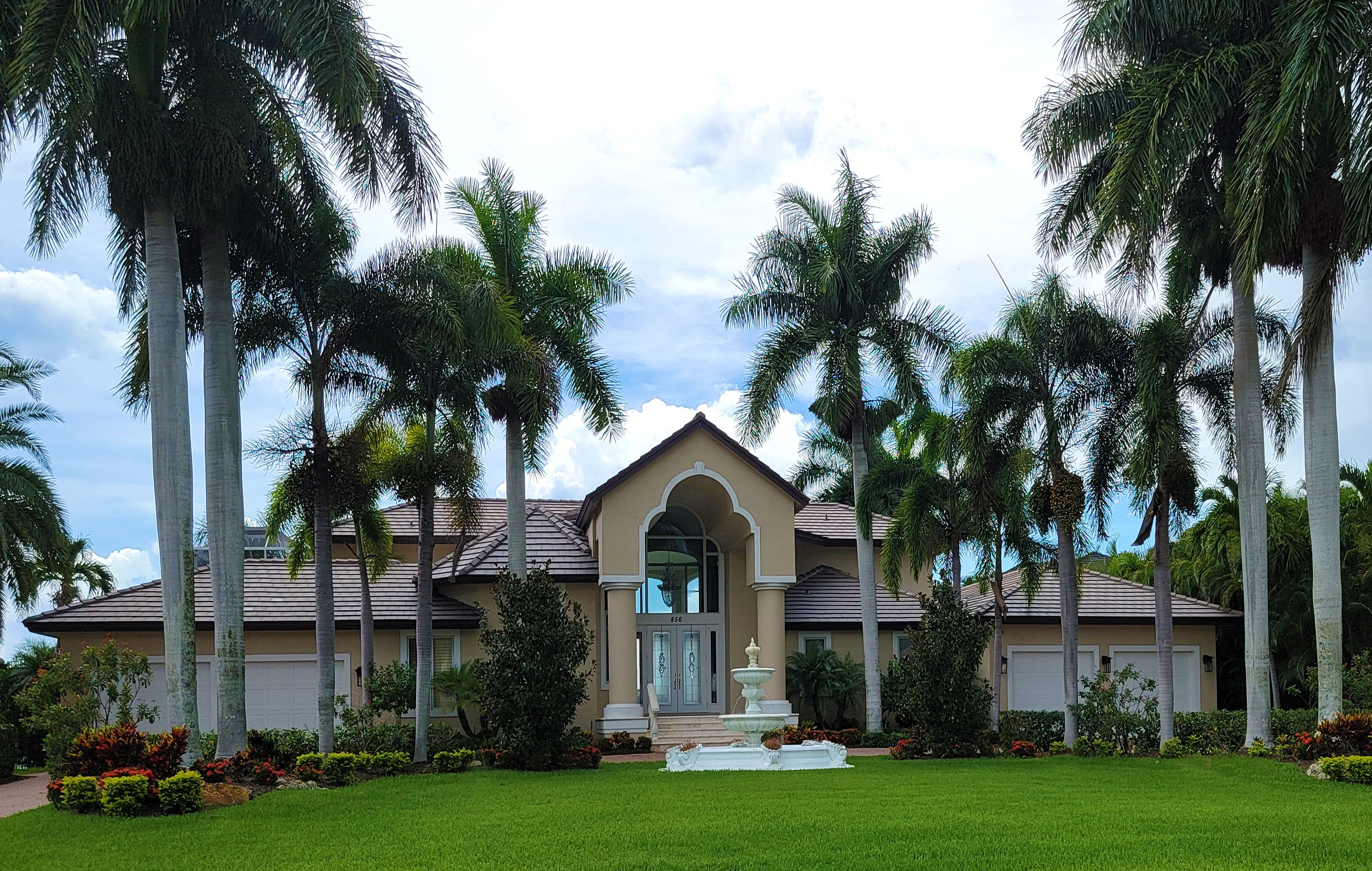
South Florida's sun, salt air, and six-month rainy season punish exterior surfaces in ways most of the country never sees. Before you commit, it's worth weighing exterior painting vs alternatives like stucco resurfacing, vinyl, fiber cement, and specialty waterproof coatings. Each has a real cost, lifespan, and failure mode here — and the right choice depends on your wall material, budget, and how long you plan to stay.
Why the Usual Advice Doesn't Apply Here
Ask a homeowner in Ohio how long exterior paint lasts and you'll hear "seven to ten years." Ask someone in Broward or Miami-Dade and the honest answer is closer to four to six on a sun-blasted west wall. That gap is the whole reason this decision matters more in South Florida than almost anywhere else.
Three forces do the damage: UV intensity that breaks down resin binders, salt-laden air near the coast that accelerates chalking and corrosion, and a rainy season that drives water into every hairline crack in stucco. Any comparison of exterior painting vs alternatives has to start there.
What Exterior Painting Actually Gets You
Paint is a coating, not a cladding. It won't fix a structural problem, but a proper job does more than change color:
- Seals hairline cracks in stucco before they become water channels
- Blocks UV from degrading the stucco or block beneath
- Resists mildew when you use a quality acrylic with mildewcide
- Costs the least upfront — typically $2,500–$6,000 for an average single-story home in South Florida, depending on prep and square footage
The exterior painting benefits are real, but they come with a maintenance rhythm. You'll be recoating every five to seven years on most South Florida homes, and sooner on unshaded south and west exposures.
The Alternatives, Ranked by What They Solve
Elastomeric and waterproof coatings
These are thicker, rubbery coatings that bridge cracks up to about 1/16 inch and stretch with the wall. They run roughly 30–50% more than standard paint and last longer — often 8–10 years. If your stucco has visible cracking, this is usually the smarter move than plain paint.
Vinyl and fiber cement siding
Full re-cladding. You're looking at $8–$15 per square foot installed, which on a 1,800 sq ft home can mean $20,000+. It's a genuine 20–30 year solution, but it changes the look of the house, adds weight, and requires proper flashing. Rarely worth it unless you're already replacing failed stucco.
Stucco resurfacing (re-stucco)
When the existing stucco is delaminating, patching and recoating makes more sense than painting over a failing substrate. Budget $6–$12 per square foot. Paint on top of crumbling stucco is money burned.
Brick, stone, and manufactured veneer
Durable and low maintenance, but expensive, heavy, and often impractical to retrofit onto a wood-frame home. Mostly a new-construction conversation.
How to Decide
Start with the substrate, not the budget. Walk your walls after a heavy rain and look for:
- Fine spiderweb cracking → paint or elastomeric will handle it
- Cracks wider than a credit card, or hollow-sounding stucco → repair or resurface first
- Chalky, powdery residue on your hand → the old coating has failed; prep is non-negotiable
- Peeling at the bottom two feet → water is getting in from somewhere, likely a grading or drainage issue
Then factor in how long you'll own the home. If you're selling in three years, exterior painting is the clear winner — it's the highest-return cosmetic upgrade per dollar. If you're staying fifteen, a waterproof coating system or resurfacing starts to pay for itself in avoided repairs.
The Prep Nobody Wants to Pay For
Here's the part that separates a five-year job from a nine-year job: pressure washing, scraping, sealing cracks, and priming bare spots. In South Florida, skipping prep is the single most common reason paint fails early. A quote that's dramatically lower than the others almost always means the prep got cut. Ask specifically what's included — washing, patching, caulking, and primer should all be line items.
The Bottom Line
For most South Florida homes, exterior painting remains the practical choice: affordable, fast, and effective when the prep is done right. But if you're staring at cracked stucco or a home you plan to keep for the long haul, a waterproof coating or resurfacing will serve you better. Match the solution to the wall in front of you, not to a national average that was never written for this climate.
Our technical insights are vetted by DBPR-licensed general contractors, structural glaziers, and Miami-Dade NOA hurricane code specialists serving Miami-Dade, Broward, and Palm Beach counties.