
Ac Installation in South Florida: The Complete 2026 Homeowner Guide
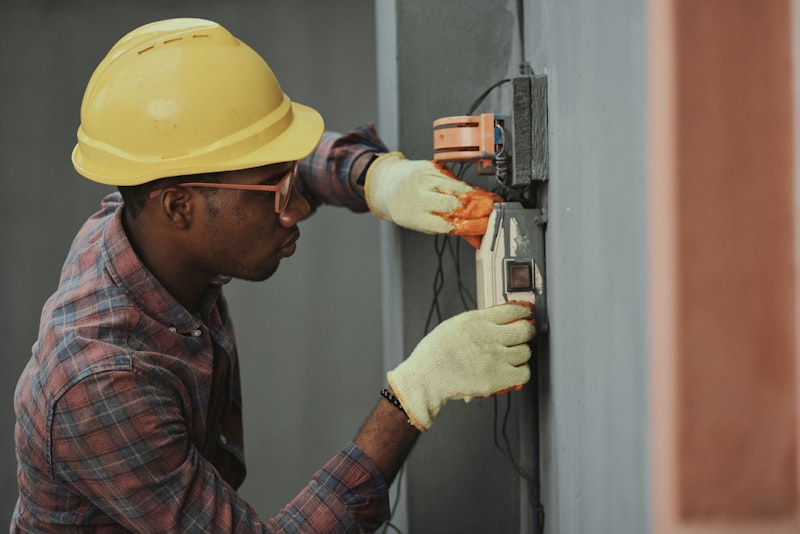
AC installation in South Florida is a different job than it is almost anywhere else in the country — the equipment has to be sized for relentless humidity, salt air, and a cooling season that never really ends. This 2026 guide walks through what a proper install actually involves, what it costs in Miami-Dade, Broward, and Palm Beach, and how to find the best AC installation near you without getting burned.
Why AC Installation in South Florida Isn't Like Anywhere Else
In most of the country, an air conditioner is a seasonal tool. Here, it's the thing keeping your house livable for roughly ten months a year. That changes almost everything about how a system should be chosen and installed.
South Florida systems run longer duty cycles, fight constant humidity, and sit in salt-laden air if you're anywhere near the coast. A unit that would last 18 years in Atlanta might be wheezing at year 10 in Hallandale Beach. So when we talk about ac installation south florida homeowners can actually rely on, the conversation has to start with load calculation and duct condition — not with whatever condenser is on sale.
The Step Most Contractors Skip: Manual J Load Calculation
Proper sizing is measured in tons (12,000 BTUs per ton). The lazy approach — "your old one was a 4-ton, so we'll match it" — is how you end up with a system that cools too fast, doesn't run long enough to pull moisture out, and leaves your house at 78°F with clammy walls.
A real Manual J calculation accounts for your square footage, ceiling height, window orientation, insulation, and appliance load. In South Florida, a 2,000-square-foot home commonly lands between 3.5 and 4.5 tons, but a west-facing wall of single-pane glass can push that up meaningfully.
Oversized systems are the single most common installation mistake in this market. They cost more up front, short-cycle constantly, and fail early.
What AC Installation Actually Costs in 2026
Prices have shifted with refrigerant changes and equipment availability. Realistic South Florida ranges for a full changeout (condenser, air handler, line set flush, and thermostat):
- 3-ton, 14.3 SEER2, single-stage: $6,200–$8,000 installed
- 3-ton, 16 SEER2, two-stage: $8,500–$11,000 installed
- 4-ton, 18+ SEER2, variable-speed inverter: $12,000–$16,500 installed
- Duct replacement or major sealing: $2,500–$6,000 additional
- Permit and inspection (Miami-Dade, Broward, PBC): typically $150–$450
So a typical ac installation cost for a Broward or Palm Beach single-family home with decent existing ducts usually lands between $8,000 and $13,000. Anything quoted under $5,500 for a full system should raise questions about whether the permit, the line set, or the drain work is included.
Humidity Control: The Part That Actually Matters Here
Target indoor relative humidity is 45–55%. Above that, you get that sticky feeling no thermostat setting fixes, plus a much higher chance of mold in closets and along exterior walls.
Three things make the difference in a South Florida install:
- Variable-speed or two-stage equipment that runs long at low output instead of blasting on and off.
- A properly trapped and sloped condensate drain — a clogged drain line in August is a flooded ceiling.
- Correct charge and airflow. A system short on refrigerant still "cools," but it stops dehumidifying.
Permits, Inspections, and the 2026 Refrigerant Transition
Every South Florida county requires a mechanical permit for a system changeout, and inspectors verify things like the disconnect, the platform strapping, and the secondary drain pan. Unpermitted work becomes a problem at resale and can void your warranty.
Equipment is also moving toward A2L refrigerants (R-454B and R-32). New units may cost slightly more, and some contractors are stocking both. If you're quoted a system, ask which refrigerant it uses and confirm the price includes the required leak-detection or mitigation components where applicable.
Finding the Best AC Installation Near Me
Google will hand you twenty names. Here's how to actually filter them:
- Ask for the Manual J before signing anything.
- Confirm the license number and pull it up on the state DBPR site.
- Get the permit included in writing — not "you can pull it yourself."
- Look for a labor warranty of at least 5 years, separate from the manufacturer's parts warranty.
- Ask how they handle a no-cool call in July. Same-day, or "we'll get to you next week"?
Do those five things and you'll separate real installers from the ones chasing a quick swap. A good installation here should give you 12–15 years of comfort. A bad one gives you a humidity problem, a high electric bill, and a repair call you didn't budget for.
Our technical insights are vetted by DBPR-licensed general contractors, structural glaziers, and Miami-Dade NOA hurricane code specialists serving Miami-Dade, Broward, and Palm Beach counties.