
Drywall Installation in South Florida: A Summary
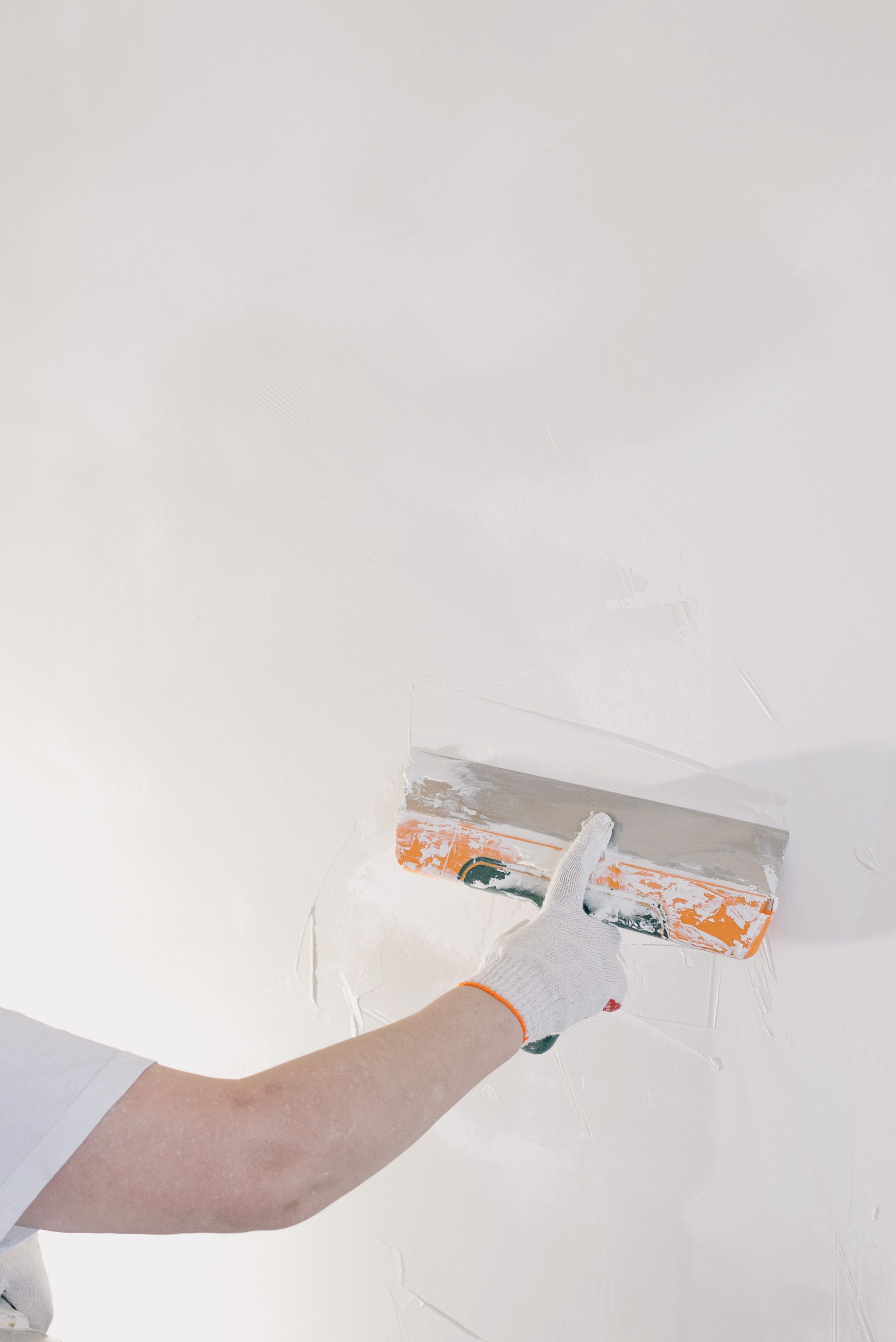
Drywall Installation
Drywall installation is the process of measuring, cutting, hanging, taping, and finishing drywall panels to create smooth, solid interior walls and ceilings. It is commonly used in new construction, room additions, renovations, and repairs after damage.
Why people install drywall:
To build new walls or ceilings
To replace damaged or outdated wall surfaces
To cover exposed studs, insulation, or old wall materials
To improve sound control and fire resistance with specialty panels
To create a clean, flat surface for the next phase of a project
Basic installation process:
Measure the area and locate studs or ceiling joists.
Prepare the space and protect floors and nearby surfaces.
Cut drywall panels to size and make openings for outlets, switches, and vents.
Lift and secure panels with screws or nails, spacing fasteners correctly.
Tape seams and corners, then embed the tape in joint compound.
Apply multiple thin coats of joint compound, feathering the edges.
Sand between coats until the surface is smooth.
Add optional texture if desired.
Clean up dust and inspect for imperfections.
What to know before starting:
Drywall comes in different thicknesses and types, including moisture-resistant and fire-resistant options.
Panels are heavy and awkward to handle, especially on ceilings.
Seams should be staggered and properly taped to prevent cracks.
Fasteners must be set at the correct depth—too deep weakens the wall, too shallow leaves bumps.
Joint compound must dry completely between coats.
Sanding creates a large amount of dust, so containment and ventilation matter.
DIY installation is possible for small repairs, but large rooms are usually faster and cleaner with a professional.
Check for leaks, moisture, or structural issues before closing up walls.
Bottom line: Drywall installation creates strong, smooth walls and ceilings. The quality of the final result depends heavily on proper hanging, taping, mudding, and sanding. It is a messy but manageable project that can transform a space when done carefully.
Our technical insights are vetted by DBPR-licensed general contractors, structural glaziers, and Miami-Dade NOA hurricane code specialists serving Miami-Dade, Broward, and Palm Beach counties.