
High humidity: Even with air conditioning running, indoor humidity in South Florida often sits between 50% and 70%. Paint needs proper curing conditions to bond correctly and form a durable film. Painting during a humid stretch—or without adequate ventilation and drying time—can lead to soft, tacky finishes that never fully cure.
Mold and mildew pressure: South Florida's warm, moist air is ideal for mold growth. Interior paint that lacks mildew resistance, or walls that weren't properly cleaned and primed, can develop mold behind or on the paint surface. Bathrooms, laundry rooms, and closets are especially vulnerable.
Intense natural light: South Florida gets strong sunlight year-round. Rooms with large windows or sliding glass doors can experience significant UV exposure, which fades cheap paint and causes color shifting. Higher-quality paints with UV-stable pigments hold their color far better.
None of this means interior painting in South Florida is difficult. It just means the details matter more.
Choosing the Right Paint for South Florida Interiors
Not all interior paint performs the same in a humid climate. Here's what to look for:
Finish matters:
-
Satin or eggshell: The best all-around choice for South Florida. Easy to clean, moisture-resistant, and durable enough for hallways, living rooms, and kids' rooms.
-
Semi-gloss: Ideal for bathrooms, kitchens, laundry rooms, and trim. Highly moisture-resistant and washable.
-
Matte or flat: Beautiful in low-traffic areas like bedrooms and ceilings, but less resistant to moisture and cleaning. In South Florida, use matte sparingly and only in rooms with good ventilation.
-
High-gloss: Great for trim, doors, and cabinets. Extremely durable and easy to clean.
Paint type:
-
100% acrylic latex: The standard for interior walls in South Florida. Breathable, durable, and resistant to mildew when formulated correctly.
-
Mildew-resistant formulas: Many major brands offer bathroom and kitchen paints with added mildewcides. Worth the small upcharge in humid climates.
-
Low-VOC and zero-VOC paints: Better for indoor air quality, especially in homes with limited ventilation or residents with allergies or sensitivities. VOC levels matter more in South Florida, where windows often stay closed and AC runs constantly.
Primer:
-
Stain-blocking primer: Necessary for covering water stains, smoke damage, or dark colors.
-
Mold-resistant primer: A smart choice for bathrooms, laundry rooms, and any area prone to moisture.
-
Bonding primer: Recommended for glossy surfaces, concrete block, or previously painted walls with questionable adhesion.
Don't skip primer. In South Florida's humidity, primer is the barrier that keeps moisture from working its way into the wall and lifting your finish coat.
Proper Preparation Is Everything
In a humid climate, prep work determines how long your paint job lasts. Here's what a thorough prep process includes:
1. Clean the walls. Dust, grease, and cooking residue prevent paint from bonding. Kitchens and bathrooms need extra attention. Use a mild degreaser or TSP substitute, then rinse and let dry completely.
2. Treat mold and mildew. If you see dark spots or smell mustiness, treat affected areas with a mold-killing solution before painting. Painting over mold traps it and guarantees it will return.
3. Repair cracks and holes. Fill nail holes, patch drywall, and repair cracks in plaster or drywall compound. Sand smooth and wipe away dust.
4. Check for moisture problems. If walls feel damp, show bubbling, or have peeling paint, there may be a leak or moisture intrusion issue. Fix the source before painting—otherwise the new paint will fail too.
5. Sand and de-gloss. Glossy surfaces need scuff sanding so primer and paint can adhere. This is especially important for trim, doors, and previously painted cabinets.
6. Tape and protect. Cover floors, furniture, and fixtures. Use quality painter's tape for clean lines.
7. Let everything dry. This is critical in South Florida. After cleaning or repairing, walls must be completely dry before painting. Rushing this step traps moisture under the paint.
Timing Your Interior Painting Project
Timing matters more in South Florida than in most places. Here's how to plan:
Best time of year: Winter and early spring (December through April) offer lower humidity and milder temperatures, making it easier to ventilate and allowing paint to cure properly.
Worst time of year: Peak summer and hurricane season (June through October). Humidity is highest, afternoon storms are frequent, and power outages can leave you with no AC—making it hard for paint to cure.
Time of day: Early morning is generally best. Humidity rises through the day, and afternoon storms are common in summer.
HVAC considerations: Keep your air conditioning running during and after painting. AC removes moisture from the air, which helps paint cure properly. If you're painting multiple rooms, work in stages so you can keep some areas climate-controlled.
If you're painting during humid months: Run dehumidifiers, use fans, extend drying time between coats, and choose paint specifically formulated for humid conditions.
Popular Interior Paint Colors in South Florida
South Florida's abundant natural light and coastal aesthetic influence color choices. Popular directions include:
Coastal neutrals:
-
Warm whites and soft creams
-
Greige (gray-beige) tones
-
Sand and taupe
-
Soft blue-grays
Bright and airy:
-
Crisp whites for ceilings and trim
-
Pale blues and aquas
-
Light greens inspired by tropical foliage
-
Soft yellows
Bold and modern:
-
Deep navy and teal accent walls
-
Charcoal and black for contrast
-
Warm terracotta and coral accents
-
Emerald green
Tips for South Florida homes:
-
Use lighter colors in rooms with abundant natural light—they reflect light and feel cooler.
-
Choose a slightly warmer white for north-facing rooms, which receive cooler light.
-
Test colors on your actual walls before committing. South Florida's intense sunlight can make colors look very different than they do in a paint store.
-
Consider how colors work with your flooring, cabinets, and outdoor views.
Room-by-Room Recommendations
Living rooms and bedrooms: Satin or eggshell finish in a breathable acrylic. These rooms typically have good ventilation and lower moisture, so matte or flat is also an option for a softer look.
Kitchens: Semi-gloss or satin, with mildew-resistant paint. Kitchens generate steam, grease, and cooking odors. Walls need to be washable and moisture-resistant.
Bathrooms: Semi-gloss or high-gloss with mildew-resistant primer and paint. Bathrooms are the most moisture-prone rooms in the house. Ventilation (exhaust fan) should be working properly before painting.
Laundry rooms: Semi-gloss with mildew resistance. Washers, dryers, and humidity make this a challenging room for paint.
Hallways and stairwells: Satin or eggshell for durability. These areas see heavy traffic and need to stand up to scuffs and handprints.
Ceilings: Flat or matte white. Ceilings rarely need cleaning, and flat paint hides imperfections. In humid areas, consider a mildew-resistant ceiling paint.
Trim and doors: Semi-gloss or high-gloss. These surfaces need to be durable and washable. In South Florida, moisture-resistant formulas are a good idea.
Closets: Satin or semi-gloss. Closets can trap humidity and develop musty odors. A mildew-resistant paint helps.
Cost of Interior Painting in South Florida
Interior painting costs vary based on home size, ceiling height, prep work, and paint quality. As a general range:
-
Single room: $500–$800
-
Average 2,000 sq ft home: $4,500–$6,500
-
Larger or more complex homes: $15000–$20,000+
-
Per square foot: $3.50–$5.00 for walls, with trim, ceilings, and doors adding cost
What affects the price:
-
Wall height and ceiling complexity
-
Amount of prep work (patching, sanding, mold treatment)
-
Number of colors
-
Paint quality and brand
-
Whether ceilings and trim are included
-
Furniture moving and masking
-
Occupancy during the project
In South Florida, interior painting typically runs about $1–$2 less per square foot than exterior painting, but extensive prep work or specialty finishes can push costs higher.
Ways to save:
-
Do your own prep work (cleaning, patching, sanding)
-
Paint one or two rooms at a time instead of the whole house
-
Choose a single color for multiple rooms
-
Paint during the off-season (late spring or early fall)
-
Purchase paint during retailer sales
-
Handle small touch-ups yourself
Hiring an Interior Painter in South Florida
Hiring the right painter is critical. Here's what to look for:
Licensing and insurance:
-
Verify the contractor is licensed in your county (Broward, Miami-Dade, or Palm Beach)
-
Confirm they carry liability insurance and workers' compensation
-
Ask for proof of both before work begins
Experience:
-
Ask how many years they've worked in South Florida
-
Request references from local projects
-
Look for experience with your type of home (condo, single-family, historic, etc.)
Estimates:
-
Get at least three written estimates
-
Make sure estimates detail prep work, paint brand, number of coats, and what's included
-
Avoid the lowest bid if it seems too good to be true
Questions to ask:
-
What prep work is included?
-
What paint brands and finishes do you recommend for my home?
-
How many coats will you apply?
-
How will you handle mold or moisture issues if you find them?
-
What is your timeline, and how will you protect my furniture and floors?
-
Do you offer a warranty on your work?
-
Will you provide a written contract?
Red flags:
-
No written estimate or contract
-
Requests for large cash deposits upfront
-
No license or insurance documentation
-
Pressure to decide immediately
-
No local references
DIY vs. Professional Painting
DIY is a good option if:
-
You're painting one or two simple rooms
-
Walls are in good condition with minimal prep
-
You have time, patience, and the right tools
-
You're comfortable with ladders and detail work
Hire a professional if:
-
You're painting the whole house
-
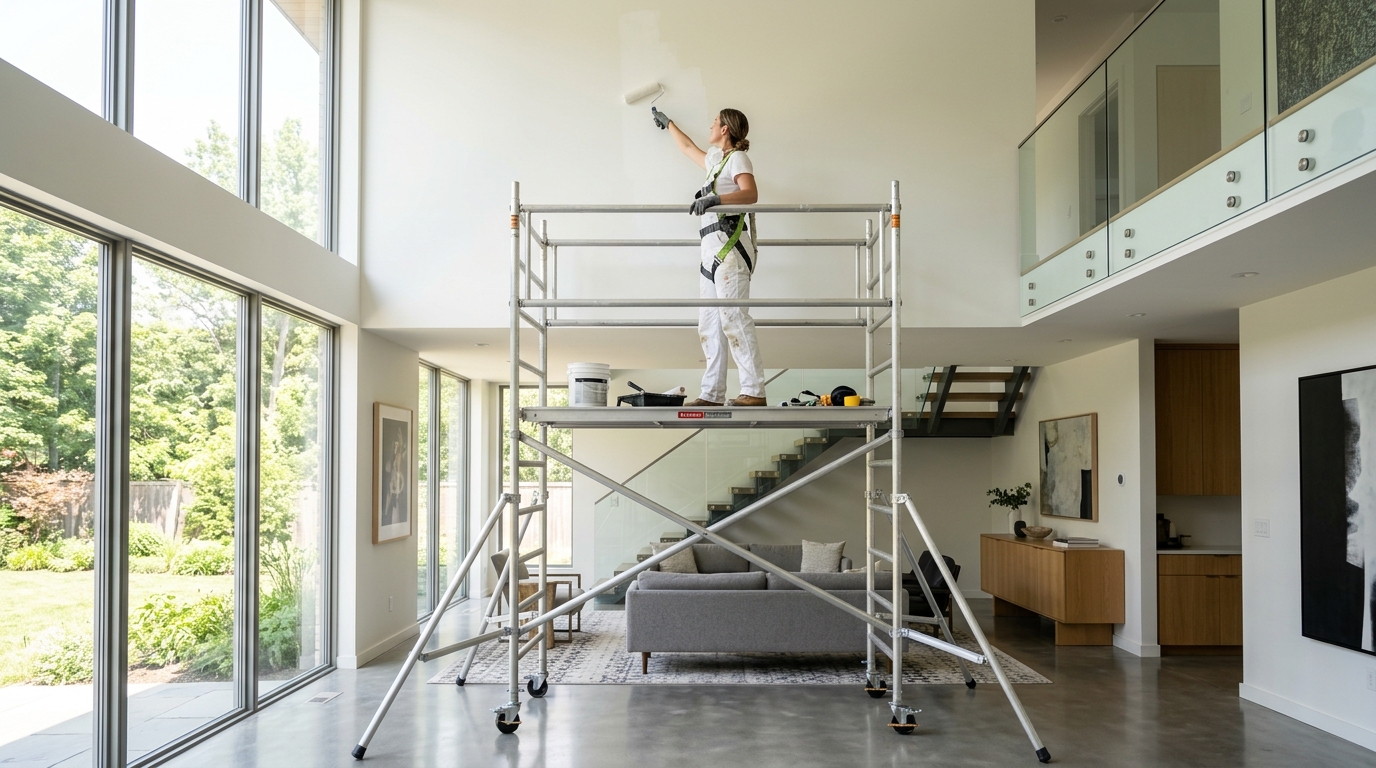
You have high ceilings or complex architecture
-
There's mold, water damage, or extensive patching needed
-
You want a flawless finish or specialty technique
-
You have a deadline (moving, selling, hosting)
-
You're painting a condo with HOA rules and building requirements
In South Florida, professional painting is often worth the cost because proper prep and moisture management are so important. A poorly prepped DIY job can fail quickly in this climate.
Special Considerations for South Florida Homes
Condos and HOAs:
Many South Florida condos and HOAs require approval before interior painting—especially if you're changing colors or doing work that could affect common areas. Check your governing documents and get written approval before starting.
Hurricane season:
If you're painting during hurricane season, keep an eye on the forecast. Power outages mean no AC, which means no proper curing. Have a backup plan.
Older homes:
Homes built before 1978 may have lead-based paint. Test before sanding or scraping, and follow proper safety protocols if lead is present.
Concrete block walls:
Many South Florida homes are built with concrete block and stucco. These walls need breathable paint and proper priming to avoid moisture problems.
Impact windows and doors:
If your home has impact glass, be careful when taping and masking. Some tapes can leave residue or damage frames.
Air conditioning vents:
Painting around vents, returns, and ceiling fans requires care. Remove fixtures when possible, and make sure paint doesn't clog vents.
The Bottom Line
Interior painting in South Florida is an investment in your home's beauty, comfort, and value—but it requires a South Florida-specific approach. Humidity, mold pressure, and intense sunlight mean that prep work, paint selection, and timing matter more here than in most parts of the country.
Choose moisture-resistant, mildew-resistant paints. Prep surfaces thoroughly and let them dry completely. Time your project for the drier months when possible. Work with a licensed local painter who understands the climate. And don't cut corners on primer or ventilation.
Done right, a quality interior paint job can transform your home and last for years. In a climate as demanding as South Florida's, doing it right the first time is always the smarter choice.