
Interior Painting in South Florida: The Complete 2026 Homeowner Guide
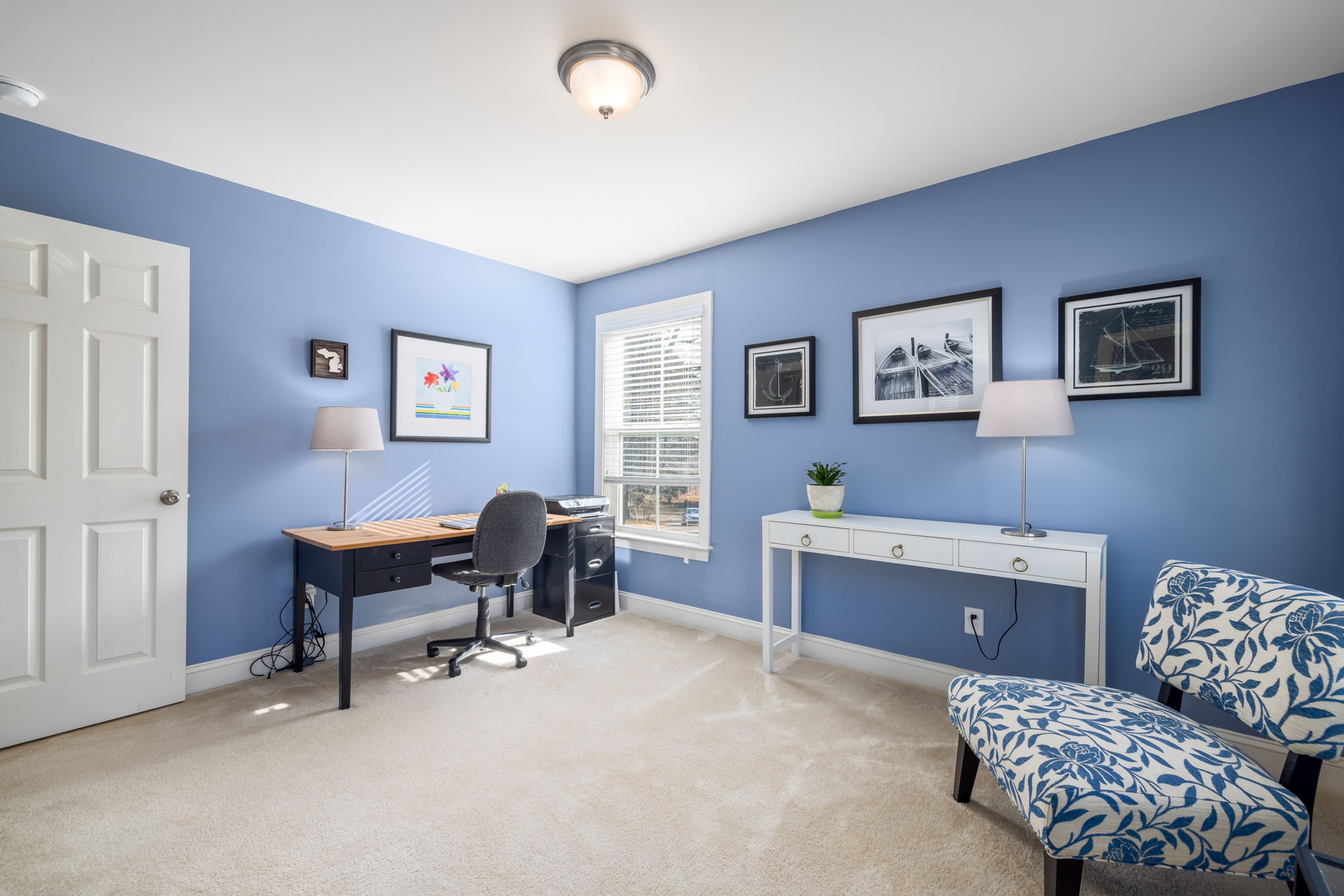
Interior painting in South Florida is a different job than it is almost anywhere else — humidity, salt air, and year-round AC cycles change how paint cures and how long it lasts. This 2026 guide breaks down realistic interior painting costs in South Florida, the best finishes for each room, and how to spot a contractor who actually understands coastal conditions.
Why Interior Painting in South Florida Isn't Like Painting Anywhere Else
If you've painted a house in Ohio or Virginia, throw most of that experience out. South Florida interiors live in a near-constant tug-of-war between humid outside air and air-conditioned inside air. That swing does real things to paint: it slows cure times, it can trap moisture behind a fresh coat, and it makes cheap builder-grade paint fail fast in bathrooms and laundry rooms.
Then there's the sun. Even interior rooms with a south or west-facing window take a beating from UV that fades low-quality pigments within a couple of years. And in homes near the coast — Hallandale, Boca, Fort Lauderdale beachside — salt air finds its way in through doors and windows and can leave a faint chalky film that paint struggles to bond to if it isn't cleaned properly first.
None of this is a reason to dread the project. It's a reason to hire someone who knows the difference.
What Interior Painting Costs in South Florida in 2026
Local pricing has crept up with labor and material costs, but South Florida is still fairly reasonable compared to major metros up north. Here's what homeowners are actually paying this year:
- Single room (10x12, walls only): $350–$650
- Single room with ceiling and trim: $600–$1,100
- Whole-home interior (1,500–2,000 sq ft): $3,200–$6,500
- Ceilings only: $1.20–$2.00 per sq ft
- Crown molding or baseboards: $2–$4 per linear foot
Three things move these numbers the most: how much prep the walls need (patching, sanding, priming), ceiling height, and whether you're changing colors dramatically. Going from a dark accent wall to white might take three coats; going taupe to greige takes two.
Be skeptical of any bid that comes in dramatically below these ranges. In South Florida, cheap interior painting almost always means skipped prep, watered-down paint, or a crew that sprays and runs without back-rolling.
Prep Is 70% of the Job Here
Humidity makes prep more important, not less. A few things a good crew will do that a bad one won't:
- Wash walls with a TSP substitute or degreaser — especially in kitchens and anywhere near the coast
- Let patched areas dry completely before priming (this takes longer in July than in January)
- Use a stain-blocking primer on any water stains, nicotine, or previous dark colors
- Caulk gaps at trim and crown before painting, not after
- Run the AC during and after the job to pull humidity out of the air while paint cures
That last point trips up a lot of DIYers. Painting with the windows open in August feels nice, but it slows cure and can leave a slightly tacky finish for days.
Choosing the Right Finish for Each Room
Flat paint looks beautiful in a formal living room and terrible in a hallway where kids run their hands along the wall. Here's the practical breakdown for our climate:
- Bathrooms and kitchens: Satin or semi-gloss. Moisture and grease wipe off; anything flatter will stain.
- Hallways, kids' rooms, stairwells: Eggshell. Scrubable without looking shiny.
- Bedrooms and living rooms: Eggshell or matte. Matte hides wall imperfections best.
- Ceilings: Flat, always. Anything with sheen shows every roller mark.
- Trim and doors: Semi-gloss or a waterborne alkyd for durability.
On product: 100% acrylic latex is the standard for walls here. In high-moisture rooms, a paint with mildewcide already in the formula saves you a future problem.
How to Find the Best Interior Painting Near Me
Searching "best interior painting near me" returns a lot of noise. Cut through it with three questions:
- "What's your prep process?" If they don't mention washing, patching, and priming, keep looking.
- "Who's actually doing the work?" Some companies subcontract everything. Ask.
- "What's your warranty, in writing?" Two years on labor is fair in South Florida. One year is thin.
Also ask for local references from the past six months — not from three years ago. Florida paint behaves differently after a summer or two, and recent references tell you how it's actually holding up.
Timing Your Project
You can paint year-round here, but the sweet spots are late fall through early spring. Humidity is lower, windows can stay open comfortably, and cure times are more predictable. If you're painting in summer, plan for an extra day of dry time and keep the AC running low and steady.
Interior painting in South Florida isn't complicated — it just rewards homeowners who hire for local knowledge instead of the lowest bid. Get two or three written estimates, ask the prep questions, and you'll end up with walls that still look sharp three summers from now.
Our technical insights are vetted by DBPR-licensed general contractors, structural glaziers, and Miami-Dade NOA hurricane code specialists serving Miami-Dade, Broward, and Palm Beach counties.