
Exterior Painting in South Florida: The Complete 2026 Homeowner Guide
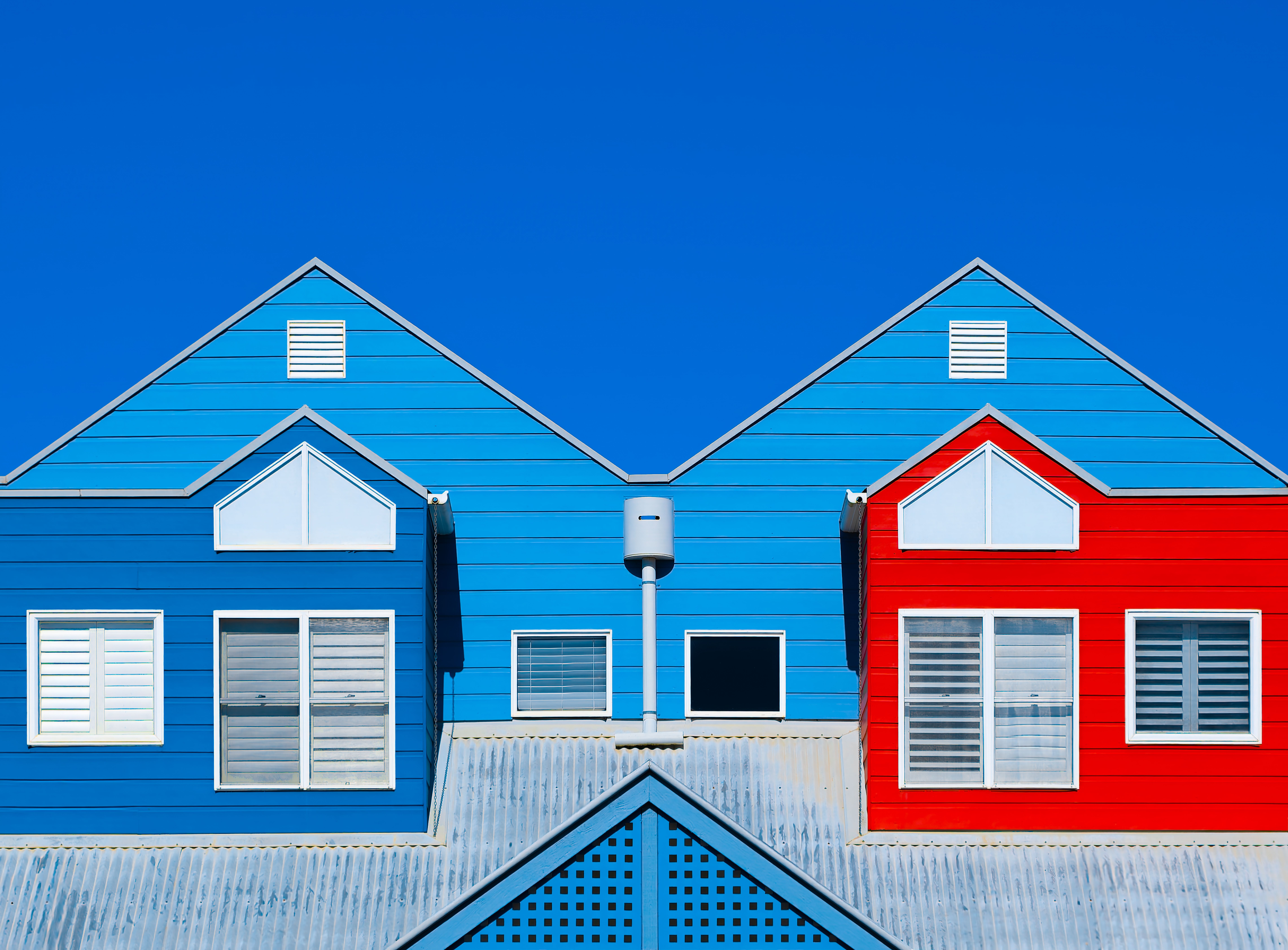
Exterior painting in South Florida is a different animal than anywhere else in the country — relentless sun, salt air, and 90-inch annual rainfall will destroy a cheap paint job in two seasons flat. This 2026 guide walks through realistic costs, the coatings that actually survive here, the right time of year to schedule, and how to tell a real exterior painting contractor from a storm chaser, so you can find the best exterior painting near me and get a finish that lasts.
Why Exterior Painting in South Florida Is Its Own Category
Paint a house in Charlotte and it might hold for eight years. Paint the same house in Fort Lauderdale and you're looking at a redo in four or five. The difference isn't the paint brand — it's the environment. South Florida exteriors face UV indexes that bleach vinyl and chalk latex, salt-laden air within a few miles of the coast, and roughly 60 inches of rain concentrated into a five-month stretch where humidity rarely drops below 70%.
That combination does two things at once: it cooks the film from above and pushes moisture into it from behind. Any coating you choose has to handle both, which is why exterior painting south florida style isn't just about color selection — it's about the full system underneath the color.
The 2026 Price Reality
Exterior painting cost in South Florida runs higher than the national average because of surface prep and material grade. Here's what homeowners are actually paying this year for a typical single-story, 1,800–2,200 sq ft home:
- Basic repaint (same color, good existing surface): $2,800–$4,500
- Standard job with pressure washing, patching, and caulking: $4,500–$7,500
- Full prep: stucco crack repair, mildew treatment, primer, two finish coats: $7,500–$12,000
- Two-story or heavily detailed (columns, shutters, fascia): $10,000–$18,000+
Stucco homes dominate here, and stucco eats paint. It's porous, it holds moisture after a storm, and hairline cracks open up with thermal movement. If a bid doesn't include crack filling and an elastomeric or masonry-specific primer, the number is low for a reason.
What Actually Survives Here
100% Acrylic Latex — The Reliable Baseline
For most stucco and concrete block homes, a 100% acrylic latex with mildewcide additives is the right call. It breathes, which matters when walls are drying out from the inside. Skip anything labeled "vinyl acrylic" or "economy" — that's the coating that chalks and fades by year three.
Elastomeric Coatings — When You Have Cracks
Elastomeric paint stretches with the wall instead of cracking. It's thicker, more expensive per gallon, and it's a genuine fix for stucco that's already showing spiderweb cracking. The tradeoff: it's less breathable, so it belongs on sound walls, not on ones with active water intrusion.
Color and Heat
This one surprises people. Dark colors on south- and west-facing walls can hit 160°F surface temperature. That accelerates fading and stresses the substrate. If you want a deep charcoal or navy, expect to use a higher-grade coating and accept a shorter cycle.
Timing: The Window Is Narrower Than You Think
The best stretch for exterior painting in South Florida is roughly late November through April. Temperatures sit in the 70s, humidity drops, and afternoon thunderstorms take a break. Most manufacturers want surface temps between 50°F and 85°F with humidity under 85% at application and for several hours after.
Painting in July isn't impossible, but it means starting at dawn, chasing shade, and gambling on rain that arrives at 2 p.m. Cure times stretch, and a wash-off within the first 24 hours can compromise the whole coat.
Prep Is 70% of the Job
If you take one thing from this guide, take this. The visible work — rolling color on a wall — is the fast part. The labor is in:
- Pressure washing and letting the substrate dry 24–48 hours
- Treating mildew with a bleach solution, not just scrubbing it
- Filling stucco cracks with elastomeric patching compound
- Caulking every joint, window frame, and trim seam with paintable exterior sealant
- Spot-priming bare patches and chalky areas
A crew that skips these steps can finish in two days. A crew that does them right takes four to six. That gap is where most premature paint failures start.
Finding the Best Exterior Painting Near Me
South Florida has no shortage of painters, and a good number of them disappear after the first rain. When you're comparing bids:
- Ask for the exact product and sheen in writing — not "premium paint."
- Confirm they carry liability insurance and workers' comp; ask for the certificate.
- Check that the estimate lists prep steps individually, not as a lump "prep" line.
- Request two local references from jobs at least three years old. A finish that's held up three Florida summers tells you everything.
- Get the warranty in writing, including what voids it.
Budget for quality and you'll repaint in six or seven years. Budget for cheap and you'll be doing it again before the next presidential election.
Our technical insights are vetted by DBPR-licensed general contractors, structural glaziers, and Miami-Dade NOA hurricane code specialists serving Miami-Dade, Broward, and Palm Beach counties.