
Why a Metal Roof Is the Smartest Investment for Your South Florida Home
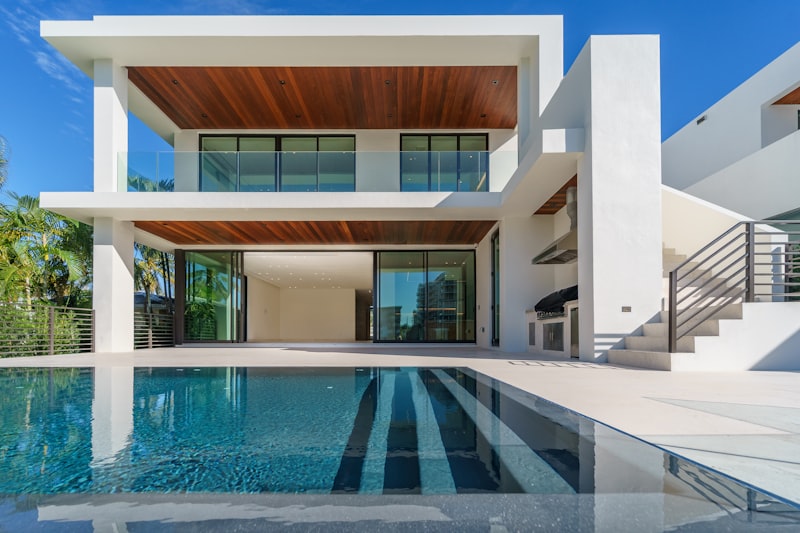
If you own a home in South Florida, your roof is your first line of defense against some of the most punishing weather conditions in the country. Between hurricane-force winds, torrential rain, relentless UV exposure, and salt-laden air, the roofing material you choose can mean the difference between a secure home and a recurring nightmare of repairs. While asphalt shingles remain the most common choice, a growing number of South Florida homeowners are discovering that metal roofing offers a compelling combination of durability, energy efficiency, and long-term value that few other materials can match.
Here's why metal roofing deserves serious consideration for your South Florida property.
Built to Withstand Hurricane-Force Winds
The single most important reason to choose metal roofing in South Florida is its performance under extreme wind loads. South Florida falls under some of the strictest building codes in the nation, particularly in the High-Velocity Hurricane Zone (HVHZ) that covers Miami-Dade and Broward counties. Metal roofing systems are engineered specifically to meet and exceed these standards.
Standing seam metal roofs, in particular, outperform other materials in raw wind-uplift ratings. A properly installed standing seam metal system can handle wind uplift up to 160 mph, while concrete and clay tile systems typically top out between 130 and 150 mph. Many metal roofing products are tested to withstand winds of 120 mph or more, making them well-suited for the severe windstorms common to South Florida's hurricane exposures.
What makes metal especially valuable is how it fails compared to other materials. Tile roofs can crack or shatter from windborne debris even when the attachment holds—the system passes code, but cracked tiles let water in, creating hidden damage that homeowners don't discover until it's too late. Metal doesn't have that brittleness problem. A standing seam panel hit by debris may dent, but a dent doesn't immediately open a water entry point the way a cracked tile does. For homes in coastal Broward and Miami-Dade where storm debris is a realistic annual concern, that distinction is critical.
Designed for South Florida's Rain and Humidity
South Florida receives an average of over 60 inches of rain annually, often delivered in intense tropical downpours. Metal roofing systems are engineered to shed water rapidly. Interlocking panel designs and precision weatherproof seams deliver long-term leak protection during wind-driven rain events, and metal roofs shed water so efficiently that they reduce ponding and water intrusion during heavy tropical rainfall.
Unlike shingles, which can absorb moisture and degrade over time, metal roofing is impervious to water absorption. This means no rot, no mold growth, and no deterioration from prolonged moisture exposure—a significant advantage in South Florida's humid, subtropical climate.
Superior Resistance to Salt Air and Corrosion
If you live anywhere near the coast—and in South Florida, that covers a lot of territory—salt air is a constant threat to your roof. Salt-laden air corrodes fasteners, degrades materials, and accelerates wear on roofing systems faster than in most other climates.
Metal roofing offers excellent corrosion resistance, particularly when the right material is selected for the location. Aluminum roofing is the top choice for homes within a mile or two of saltwater because it cannot rust—it contains no iron and instead forms a transparent oxide layer that self-heals when scratched, making it naturally resistant to salt spray and moisture. For homes within a few miles of the coast, aluminum standing-seam panels are the specification choice for homeowners who want zero rust risk over the life of the roof.
Galvalume (a steel substrate coated with aluminum and zinc) is also widely used and offers enhanced corrosion resistance, making it a strong and affordable option for inland South Florida properties. For waterfront properties along the Intracoastal or direct oceanfront, heavy-gauge aluminum is the recommended specification because Galvalume substrate warranties are often voided in those high-salt environments.
Significant Energy Savings
South Florida's intense sun and heat mean your air conditioning system works overtime for much of the year. Metal roofing can meaningfully reduce that burden. Metal roofs reflect solar radiation instead of absorbing it, which can lower attic temperatures and reduce cooling costs by up to 25%.
The science backs this up. Studies of white reflective metal roofs in Florida measured air conditioning electrical savings averaging 19%, with some tests showing cooling energy reductions of 18% to 26%. One study found that a white, galvanized metal roof saved a homeowner approximately 23% annually in cooling costs. Many metal roofing systems qualify for local energy rebates and can be paired with solar panels for additional efficiency.
For a South Florida homeowner spending $200 or more per month on cooling during the summer, those savings add up quickly over the decades-long lifespan of a metal roof.
Exceptional Longevity and Low Maintenance
A metal roof is likely to be the last roof you ever install. While asphalt shingles in South Florida typically last 20 to 25 years, metal roofing lasts 40 to 70 years—and sometimes longer. Premium options like copper and zinc can offer 80+ year lifespans.
This longevity translates directly into long-term savings. The lifetime cost of metal roofing is actually lower than shingles because metal lasts longer and needs fewer repairs. Savings show up in fewer tear-offs, fewer landfill fees, and less routine service. Metal roofs also resist rot, insects, and fire, making them a genuinely low-maintenance option for South Florida's challenging environment.
It's worth noting that the "noisy metal roof" myth is exactly that. That reputation comes from old barn roofs with no decking underneath. A modern residential metal roof installed over solid decking, underlayment, and insulation is as quiet as any other roofing material.
Insurance and Resale Benefits
Insurance companies in Florida are increasingly recognizing the value of metal roofing. After about 15 years, asphalt shingles show heavy signs of deterioration from South Florida's sun and heat—something that would never happen with a metal roof. Some Florida insurers offer discounts for high-performance roofing materials, and metal roofs can make your home easier to insure in a market where carriers are increasingly cautious.
Beyond insurance, metal roofing increases your home's resale value. A metal roof comes with a 50-year warranty, increases the value of your home, and cuts energy costs—a combination that appeals to buyers in a competitive real estate market.
Choosing the Right Metal Roofing Material for Your Location
The best metal roofing material for your South Florida home depends largely on how close you are to saltwater:
Aluminum (best for coastal and waterfront properties): Won't rust or corrode, self-healing oxide layer, ideal for properties within a mile or two of the ocean or Intracoastal waterway. Heavier-gauge aluminum (0.040") is recommended for direct oceanfront exposure.
Galvalume Steel (best for inland properties): Combines steel strength with aluminum-zinc coating for enhanced corrosion resistance. More economical than aluminum and the most widely used metal roofing material in South Florida. Best for properties farther from the coast where salt exposure is less intense.
Copper (luxury option): Offers a century-long lifespan and distinctive aesthetic appeal. Significantly more expensive but virtually maintenance-free.
Stone-Coated Steel: Combines the look of tile or shingle with metal's performance characteristics. A good option if your HOA requires a tile or shingle appearance but you want metal's durability.
The Bottom Line
Metal roofing requires a higher upfront investment than asphalt shingles. Standing seam metal typically runs $25,000 to $36,000 for a standard-sized South Florida home, compared to $9,000 to $18,000 for architectural shingles. But when you factor in the 40-to-70-year lifespan, the energy savings of 19% to 25% on cooling costs, the insurance benefits, and the near-total elimination of maintenance and repair costs, the math strongly favors metal for homeowners who plan to stay in their homes long-term.
In a region where your roof must survive hurricanes, resist salt air, reflect relentless sun, and shed torrential rain, metal roofing isn't just a premium option—it's the material that's genuinely engineered for the job. If you're planning a roof replacement in South Florida, a metal roof is an investment in peace of mind that will pay dividends for decades.
Our technical insights are vetted by DBPR-licensed general contractors, structural glaziers, and Miami-Dade NOA hurricane code specialists serving Miami-Dade, Broward, and Palm Beach counties.